Surf Tourism and the Pink-nose Revolution Continues in Papua New Guinea
11 June 2023
Air Vanuatu Restarts Direct Brisbane–luganville Flights
13 June 2023
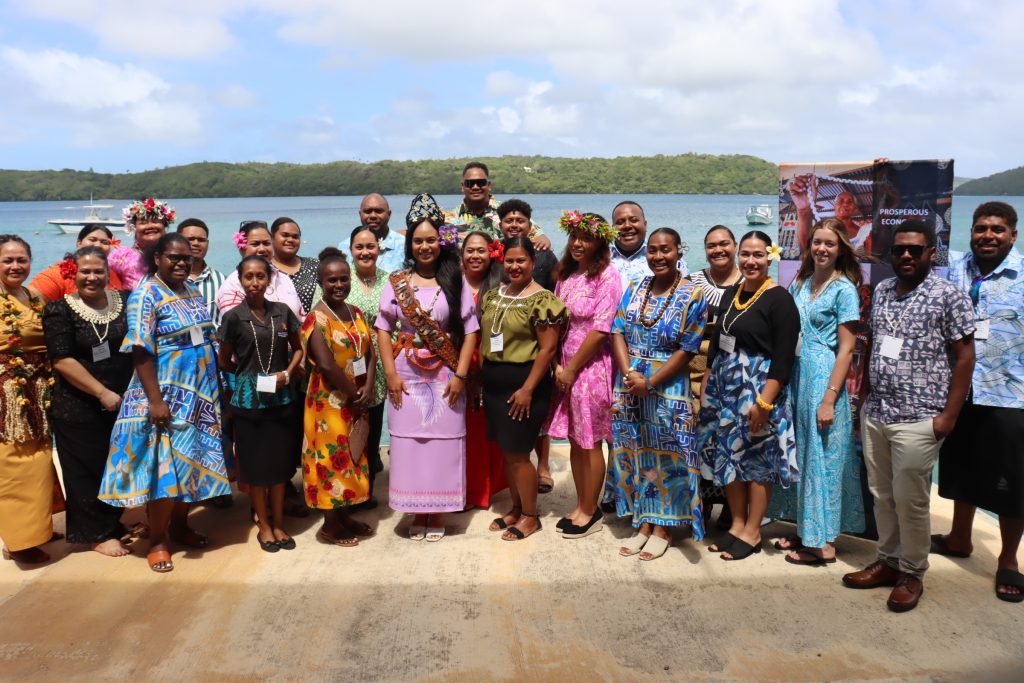
Sixteen, Pacific Tourism Organisation (SPTO) member countries and stakeholders converged in Nadi last week after three years of isolation, for a range of regional stakeholder consultations. The four-day event brought together representatives from National Tourism Organisations, the tourism private sector, and partners from SPTO member countries. Participants deliberated on critical areas including:
- Tourism research cooperation
- Sector resilience
- Donor collaboration and coordination
- Pacific Sustainable Tourism Standards
- Strengthened communications and digital transformation.
SPTO Board Chairman, Mr. Petero Manufolau, expressed the significance of aligning tourism policies with regional frameworks such as the 2050 Strategy for the Blue Pacific Continent and SPTO’s Strategic Plan 2020-2024. These frameworks envision empowering the Pacific Islands through sustainable tourism and other key sectors. They are complemented by specific tourism policy instruments such as the Pacific Tourism Statistics Strategy, the Pacific Sustainable Tourism Policy Framework (PSTPF), and SPTO’s Digital Strategy.
Reinforcing Mr. Manufolau’s sentiments, New Zealand Ministry of Foreign Affairs Senior Tourism Adviser, Mr. Paul Davis, emphasised that New Zealand’s support for tourism goes beyond economic considerations. He highlighted tourism’s potential to enhance the overall well-being of Pacific people, through the industry’s many cross sectoral linkages.
Mr. Davis also expressed New Zealand’s determination to collaborate closely with its Pacific neighbours, to strengthen the tourism sector, foster resilience, ensure sustainable development, and enhance the well-being and prosperity of Pacific nations.
“Tourism remains vital for both the Pacific nations and New Zealand, despite its exposure to a myriad of setbacks. The pandemic has uncovered the sector’s vulnerability, urging the tourism industry to rethink, plan, adapt, and build resilience for the future. While the pandemic necessitated a temporary shutdown of tourism, it also highlighted the need for greater economic diversification and reduced reliance on a single industry,” Mr Davis mentioned.
SPTO Private Sector member and Founder Domoika Hike & Rock Climbing Adventures, Matelita Katamotu commended the workshop adding that the platform allowed diverse private sectors and community-based businesses to participate and share their insights and experiences.
Ms Katamotu mentioned the platform fostered collaboration and learning by encouraging member countries to exchange ideas and perspectives, engage in constructive dialogue, highlighting the critical issues faced by their respective countries.
“The discussions provided a comprehensive view of the challenges and opportunities encountered by our Pacific neighbours in the tourism sector. The enthusiasm and anticipation among attendees were intense, as they enthusiastically compared their own progress with that of their Pacific counterparts. It was also important and I kept stressing on the importance of aligning our efforts with the objectives of the SPTO). By doing so, we ensure that our endeavors are in sync with the broader goals of the industry. This approach has the potential to unlock immense possibilities for growth and development.
“We extend our gratitude to the team at SPTO for facilitating this invaluable opportunity. Their efforts in bringing together a diverse group of members, including two representatives from our organization based in the North, have been commendable. The workshop served as an eye-opener, allowing participants to realize the immense potential they possess and the significant impact they can make collectively,” Ms Katamotu mentioned.