Tourism leader impressed with private hospital facilities
17 February 2025
Pacific Tourism Organisation Partners with Samoa Tourism Authority to Advance Sustainable Tourism with STEP Project Implementation
21 February 2025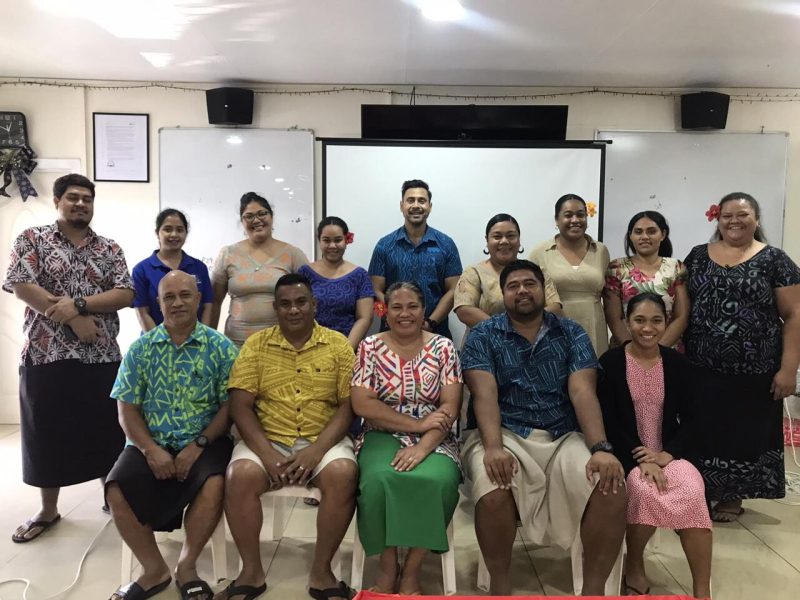
The Pacific Tourism Organisation (SPTO) and the Secretariat of the Pacific Regional Environment Programme (SPREP), in collaboration with the Samoa Tourism Authority (STA), hosted a pivotal two-day workshop in Apia, Samoa, from February 11th to 12th.
This workshop is built on previous initiatives that includes the launch of the Standards for Phasing Out Single-Use Plastics in Pacific Tourism, Responsible Marine Wildlife Viewing Guidelines, and the Guidelines for Environmental Audits for Accommodations during the SPTO Council of Ministers Meeting in Suva in November 2024. As part of the implementation phase of these newly introduced guidelines, Samoa hosted the first in-country awareness workshop led by SPREP and SPTO.The two-day workshop was not just a discussion forum—it was a call to action. Stakeholders, including government agencies, conservation organisations, and representatives from the hospitality sector, came together to exchange ideas and explore solutions for integrating sustainability into tourism policies. The insights and recommendations generated during this workshop will play a crucial role in shaping environmental strategies for tourism development in Samoa and beyond.
On Day 1,the workshop began with SPREP’s Pacific Ocean Litter Project (POLP), emphasising the urgent need to reduce plastic waste in tourism. Stakeholders provided valuable input on the draft Certification Framework and Toolkit, a guide designed to help businesses adopt sustainable tourism practices.
During Day 2, discussions centered on marine wildlife conservation and environmental audits for accommodations. A mock audit exercise allowed participants to apply sustainability guidelines in a real-world setting, offering practical experience in environmental assessments.
Tourism is a major economic driver for many Pacific Island nations, but it also presents environmental challenges. From single-use plastics to marine wildlife interactions, ensuring that tourism remains a force for good requires strong policies, collaboration, and action-oriented solutions. More initiatives and partnerships will continue to drive this movement forward, ensuring that tourism remains a force for good—both for local communities and the environment.