


Wallis & Futuna Comes Alive: Culture, Sport, and the AIRCALIN MANATAI CUP 2025
18 September 2025
Strengthening Pacific Tourism: Pacific Tourism Organisations Lusia Matairakula Embarked on Ecotourism Internship in Japan’s Cultural Heartland
25 September 2025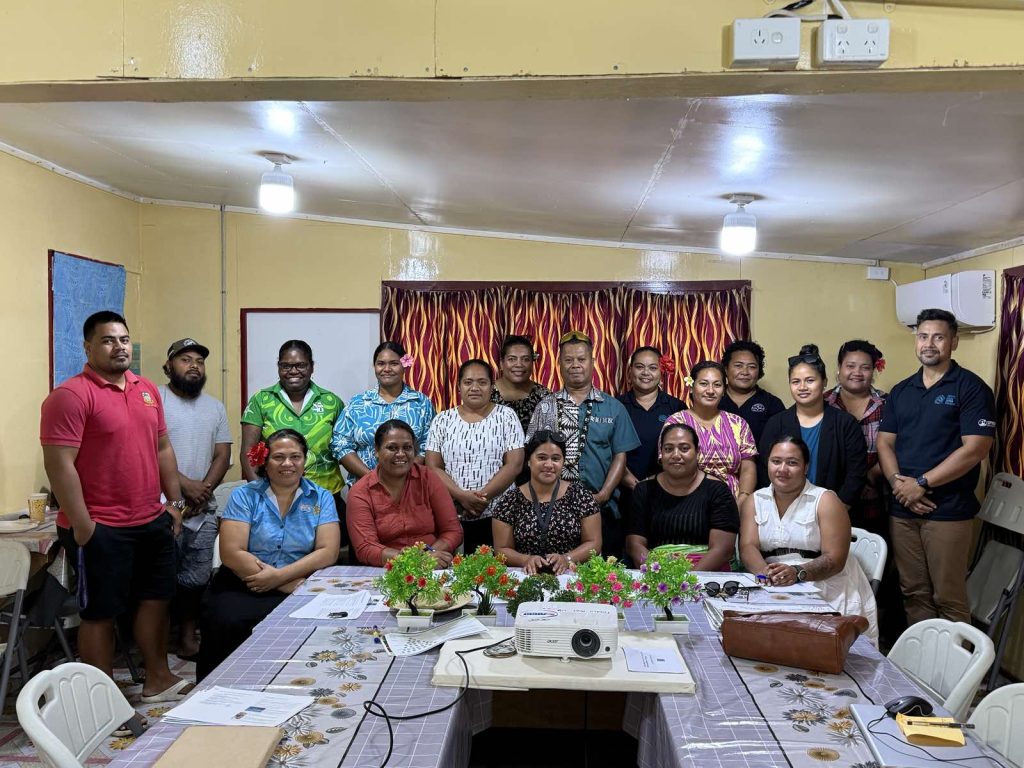
From the 19th to the 22nd of August, the SPTO Division of Sustainable Tourism (DST) hosted the Tuvalu Tourism Industry Training, which included the Customer Service Excellence and Tour Guiding Basics training. Participants in the training included tour operators and frontline staff from immigration services, airport and treasury departments, as well as hotel staff, youth groups, and community organisations. The training programme was delivered by Silina Bale of Finding Tours, complemented by a storytelling approach from Simione Sevudredre of SauVaka Culture Consultancy. Together, they brought to life the cultural and traditional dimensions of Tuvaluan customer service, offering a meaningful rebirth of local values within the tourism experience.
The programme empowered its participants to become agents of change by embedding cultural pride, environmental care, and visitor-focused excellence into daily operations. Participants explored key aspects of customer service, strengthened their storytelling and pricing strategies for Tuvaluan potential offerings, and learned to enhance communication through empathy, active listening, and the use of AI tools.
Hands-on activities included site mapping around Funafuti, live-tour role-plays, and using AI to design itineraries for key visitor groups such as conference delegates, families, and travel bloggers.
In addition to the week-long training programme, an awareness session on the Pacific Ocean Litter Project (POLP) was carried out. The session, led by SPTO and SPREP, reinforced the need for tourism and waste management to work together. Tuvalu’s Department of Waste Management was in attendance and shared updates on national reforms, including the ban on most single-use plastics (except PET bottles), ongoing clean-up efforts, and challenges in managing the main dumpsite. The National Project Officer for POLP outlined the next steps, such as marine litter surveys, composting initiatives, eco-friendly product options, and stronger industry engagement. A practical waste audit helped participants assess their own environmental impact and identify improvements.
One key outcome was the commitment by SPTO and SPREP to create awareness materials for the Tuvalu Department of Tourism, supporting industry engagement and public education. However, monitoring plastics brought in by visitors remains a challenge. A proposed solution is to publish clear guidelines online, through the National Tourism Office website and social media, advising visitors on items not to bring.
With trained champions now ready to lead, Tuvalu’s Department of Tourism is set to drive lasting change. This blend of cultural integrity, environmental responsibility, and service excellence signals a bold new chapter for sustainable tourism in the Pacific.


