Air Vanuatu Appoints Philippe Busson as Chief Executive Officer
19 June 2026
Vanuatu Tourism Market Forum 2026 Focuses on Lifeline Markets and Crucial Development Opportunities
25 June 2026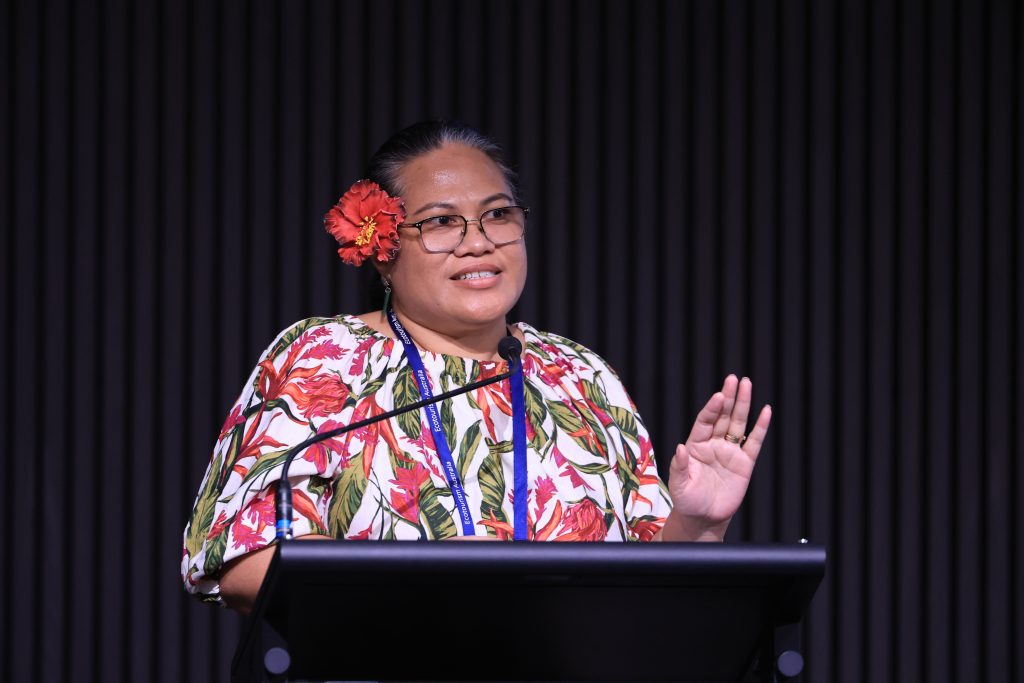
The Pacific Tourism Organisation (SPTO) participated in the Ecotourism Australia Global Sustainable Tourism Summit, held on the Gold Coast, Australia, from 2–5 June 2026. The biennial summit brought together industry leaders, governments, academics, non-government organisations, consultants and international partners from across the globe, including Slovenia, Borneo, Saudi Arabia and Fiji, to advance dialogue on sustainable tourism.
SPTO was represented by Sustainable Tourism Manager Christina Leala Gale, who was invited to present the Pacific’s pioneering work in phasing out single-use plastics (SUPs) across the tourism sector. Her presentation showcased how Pacific-led solutions are helping shift businesses away from the traditional “take-make-waste” model towards circular economy practices through the Sustainable Tourism Standards and Certification Framework. This initiative embodies the sector’s aspirations in a Decade of Action that has been designed through the Australian Government Funded Pacific Ocean Litter Project (POLP) implemented by the Secretariat of the Pacific Regional Environment Programme (SPREP) in partnership with SPTO. The presentation positioned the Pacific as an emerging contributor to global sustainable tourism and circular economy best practices.
The Summit also reinforced several important priorities for Pacific tourism. With new European Union sustainability regulations requiring verified environmental claims, the discussions underscored the growing importance of third-party certifications for the Australian tourism industry, as businesses targeting European markets must act now to prepare for the shifting market expectations. The message from Paralympics Australia was clear: that truly inclusive and accessible tourism destinations take a holistic, strategic approach by designing for everyone, everywhere, all the time.
The dialogue also highlighted a growing trend toward positioning cultural tourism as a premium offering—one that elevates indigenous leadership and honours core values of relationship, respect, and reciprocity. On the environmental front, WWF emphasised the global target of protecting 30 per cent of the world’s oceans by 2030, while stressing that developing green skills through staff training, engagement, and the integration of sustainability into organisational performance is essential to achieving long-term resilience.
Discussions on climate resilience highlighted that investing in nature, culture and local communities strengthens both business performance and long-term destination resilience.
SPTO’s participation strengthened the Pacific’s profile as a global leader in sustainable tourism by connecting regional priorities with international best practice. Through knowledge exchange and strategic partnerships, SPTO continues to champion tourism as a driver of regeneration, resilience and responsible development across the Blue Pacific.